
Home >

Boxing Fight Analysis Techniques 2025

Boxing Fight Analysis Techniques 2025

Top Boxing Fight Analysis Techniques Used by Professional Trainers in 2025
Mason Fitzgerald | 2025-10-17

As boxing techniques evolve, so does the importance of fight analysis. What strategies can boxers and trainers adopt to enhance performance and success in the ring? Explore these insights that can transform training and fight preparation.

What You Will Learn

  • How fight analysis helps identify strengths and weaknesses in a boxer's performance.
  • The systematic approach professional trainers use, including video analysis and live sparring reviews.
  • Incorporating performance metrics like punch count and speed measurements for tailored training programs.
  • The significance of post-fight analysis in learning from each match for continuous improvement.
  • Adjustment strategies to adapt to evolving opponents and their techniques.
  • Utilizing corner advice effectively to implement tactical changes during fights.

Key Boxing Fight Analysis Techniques (2025)

This visual highlights the core techniques used in boxing fight analysis, focusing on how trainers and boxers leverage insights for continuous improvement.

Importance of Analysis

  • Identify Strengths & Weaknesses: Pinpoint effective techniques and areas for improvement.
  • Strategy Development: Inform game plans based on opponent's style.
  • Boost Confidence: Reinforce successful techniques for upcoming matches.
Trainer's Systematic Approach

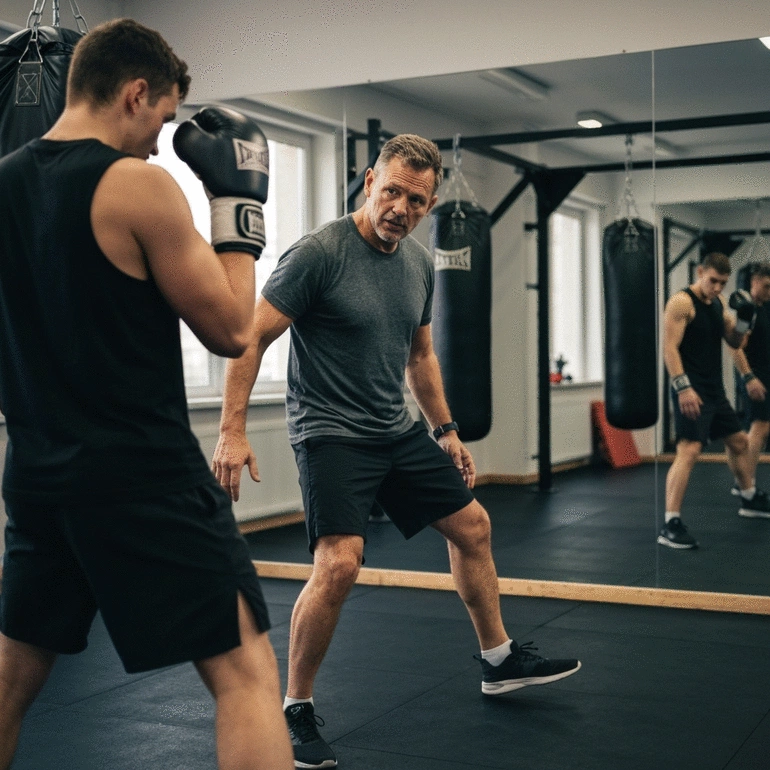
  • Video Analysis: Reviewing footage for performance details (footwork, defense).
  • Live Sparring Reviews: Immediate feedback during training sessions.
  • Team Debriefs: Post-fight discussions on strategy and outcomes.

Utilizing Performance Metrics

  • Punch Count: Tracking thrown and landed punches.
  • Speed & Power: Quantifying punch speed and impact.
  • Heart Rate Variability: Assessing exertion for tailored conditioning.

Adapting for Continuous Improvement

  • Post-Fight Analysis: Reviewing performance metrics and dynamics.
  • Adjustment Strategies: Tweaking training/tactics for evolving opponents.
  • Corner Feedback: Implementing tactical changes based on coaching.

Understanding Boxing Fight Analysis Techniques in 2025

As we step into 2025, the landscape of boxing continues to evolve, particularly regarding fight analysis. Understanding fight analysis techniques is crucial for both boxers and trainers to enhance performance and strategize effectively. The goal is to break down every match, every punch, and every tactic, ensuring that each fighter can learn and adapt.

In this section, we will explore why fight analysis is essential, how trainers approach it, and the importance of performance metrics in tailored training. It's not just about winning; it's about continuous improvement and understanding the nuances of the sport.

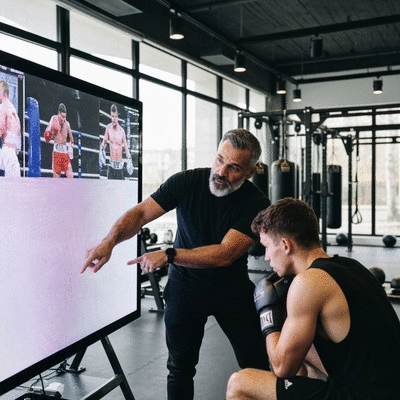
Boxing trainer and boxer reviewing fight footage on a large screen

The Importance of Fight Analysis for Boxers

Fight analysis serves as a blueprint for success, helping boxers to reflect on their performances critically. Here are some key reasons why it matters, including how it helps in boxing fight strategy analysis:

  • Identifying Strengths and Weaknesses: Analyzing previous fights allows boxers to pinpoint their strengths, such as particular punches or footwork, while also recognizing areas that need improvement.
  • Strategy Development: Understanding an opponent’s style can inform training strategies and game plans for future bouts.
  • Boosting Confidence: Reviewing successful techniques can reinforce a boxer's confidence as they prepare for upcoming matches.

By focusing on these aspects, boxers can develop a more comprehensive approach to their training and performance.

How Professional Trainers Approach Analysis

As a boxing journalist, I've had the privilege of seeing how various trainers utilize fight analysis to cultivate their fighters. Professional trainers often adopt a systematic approach that includes:

  • Video Analysis: Reviewing fight footage to analyze every aspect of performance, from footwork to defensive maneuvers.
  • Live Sparring Reviews: Observing sparring sessions in real-time provides immediate feedback and insights.
  • Team Debriefs: After a fight, trainers often hold discussions with their fighters, focusing on strategy and performance outcomes.

This multi-faceted approach ensures that boxers receive thorough guidance, helping them understand their fights from multiple angles.

Utilizing Performance Metrics for Tailored Training

Incorporating performance metrics into training regimens is becoming increasingly prevalent in boxing. These metrics can provide valuable insights, such as:

  • Punch Count: Tracking the number of punches thrown and landed during training and fights.
  • Speed and Power Measurements: Using technology to quantify the speed of punches and the power behind them.
  • Heart Rate Variability: Assessing physical exertion levels to tailor conditioning efforts effectively.

By leveraging these metrics, trainers can design training programs tailored to each boxer’s needs, enhancing their skills and performance in the ring. This is often highlighted in 2025 boxing highlights and updates as a key factor in fighter success.

Pro Tip

To maximize your fight analysis, consider incorporating real-time data tracking during your training sessions. Utilizing wearable technology can provide insights into your performance metrics, such as heart rate and punch speed, allowing for immediate adjustments in training intensity and focus areas.

Adapting Fight Analysis Techniques for Continuous Improvement

In the world of boxing, continuous improvement is vital for a boxer’s success. At Boxing Results & Updates, I emphasize the importance of adapting fight analysis techniques to evolve and grow after every match. This approach not only helps fighters refine their skills but also prepares them for future challenges. Let’s explore how we can effectively implement this.

Post-Fight Analysis: Learning from Each Match

After every fight, conducting a thorough post-fight analysis is crucial for identifying strengths and weaknesses. This process involves reviewing performance metrics, understanding fight dynamics, and recognizing the effectiveness of specific techniques. By reflecting on these key areas, boxers can pinpoint aspects that require improvement.

  • Review fight footage to observe techniques and strategies used.
  • Analyze opponents' strengths and weaknesses to prepare for future encounters.
  • Evaluate personal performance to understand effective strategies and areas for growth.

Engaging in this reflective practice allows fighters to build upon their experiences, ensuring that each match contributes valuable lessons for future success!

Boxing athlete reviewing performance metrics on a tablet with a coach

Adjustment Strategies for Evolving Opponents

Boxing is a dynamic sport, and opponents continually evolve their strategies. As a fighter, adapting your approach is essential to stay competitive. Adjustment strategies can involve tweaking training regimens, enhancing specific techniques, or altering fight tactics based on perceived opponent behaviors.

  • Constantly monitor potential opponents’ fight styles through analysis of their past matches.
  • Practice counter-strategies that can be deployed against specific fighting techniques.
  • Stay flexible in training to incorporate new techniques as they become necessary.

By being proactive in adaptation, boxers can maintain an an edge over their opponents, ensuring they're always one step ahead in the ring.

Feedback from Corner Advice: Implementing Tactical Changes

During fights, corner advice can provide invaluable insights. Trainers often notice things that fighters may miss in the heat of battle. Implementing tactical changes based on this feedback can lead to immediate improvements in performance, similar to the critical moments discussed in live boxing fight results online.

  • Listen to your coach's advice during breaks to make necessary adjustments.
  • Discuss specific observations with your corner team post-fight to refine strategies.
  • Incorporate feedback into training sessions to better prepare for future bouts.

Listening to corner advice and adapting accordingly strengthens the fighter's ability to make quick decisions under pressure. This synergy between boxer and coach is critical for success!

Frequently Asked Questions About Boxing Fight Analysis

Q: Why is fight analysis important for boxers?
A: Fight analysis helps boxers identify their strengths and weaknesses, develop effective strategies against opponents, and boost confidence by reinforcing successful techniques.
Q: How do professional trainers conduct fight analysis?
A: Professional trainers use a systematic approach that includes video analysis of fight footage, live sparring reviews, and team debriefs after matches to discuss strategy and performance outcomes.
Q: What performance metrics are used in boxing analysis?
A: Key performance metrics include punch count (thrown and landed), speed and power measurements of punches, and heart rate variability to assess physical exertion for tailored conditioning.
Q: What is post-fight analysis and why is it crucial?
A: Post-fight analysis involves reviewing performance metrics and dynamics after a match to identify strengths, weaknesses, and the effectiveness of techniques. It's crucial for continuous learning and improvement.
Q: How can boxers adapt to evolving opponents?
A: Boxers can adapt by constantly monitoring opponents' fight styles, practicing counter-strategies, and staying flexible in training to incorporate new techniques as needed.
Q: How important is corner advice during a fight?
A: Corner advice is vital as trainers can provide real-time insights and feedback that fighters might miss. Implementing these tactical changes during breaks can significantly improve performance.

Recap of Key Points

Here is a quick recap of the important points discussed in the article:

  • Importance of Fight Analysis: Critical for boxers to identify strengths, weaknesses, and develop strategies.
  • Systematic Trainer Approaches: Professional trainers utilize video analysis, live sparring reviews, and team debriefs for comprehensive fighter development.
  • Utilization of Performance Metrics: Tracking punch count, speed, power, and heart rate variability allows for tailored training regimens.
  • Post-Fight Analysis: Conducting thorough reviews helps boxers learn from their matches and refine their techniques.
  • Adaptation to Opponents: Employing adjustment strategies based on opponents' evolving styles is vital for maintaining a competitive edge.
  • Feedback Implementation: Listening to corner advice during fights is crucial for making real-time tactical adjustments.
Subscribe & Share

About Boxing Results & Updates

Your ultimate destination for the latest boxing results, fight schedules, and breaking news. We bring you closer to the ring with insightful analysis and timely updates.