Home >

Boxing Fight Strategy Analysis Guide

Boxing Fight Strategy Analysis Guide

How to Analyze Boxing Fight Strategies: A Step-by-Step Guide for Fans and Coaches
Mason Fitzgerald | 2025-10-08

What if the key to truly enjoying boxing lies not just in the matches but in understanding the strategies behind them? Grasping the intricacies of fight tactics can transform your experience as a fan or coach, revealing the depth of each punch and every maneuver.

What You Will Learn

  • Boxing fight strategies enhance your understanding of match dynamics and fighter adaptability.
  • Effective fight analysis involves observing elements like ring generalship, punch selection, and defense.
  • Different boxing styles significantly influence fighters' strategies, from pressure fighting to counterpunching.
  • Continuous learning and adaptability are essential for coaches and fighters to stay competitive in the evolving sport.
  • Performance analysis post-fight is crucial for evaluating the effectiveness of strategies and making improvements.

Understanding Key Boxing Fight Strategy Components

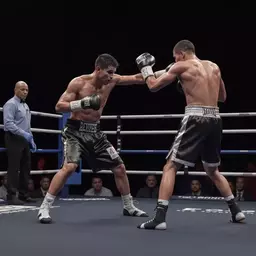
This visual highlights the essential components that shape effective boxing fight analysis and the primary boxing styles, offering insight into tactical approaches.

Key Components of Effective Fight Analysis

  • Ring Generalship: Who controls the center of the ring?
  • Punch Selection: Jabs, hooks, or combinations?
  • Defense: Dodging or blocking punches?

Exploring Boxing Styles & Their Impact

  • Boxer: Speed, technique, scoring points.
  • Brawler: Power punches, aiming for knockouts.
  • Counterpuncher: Evasion, precision, capitalizing on mistakes.

Evaluating Fight Outcomes Through Performance Analysis

  • Punch Accuracy: Landed vs. thrown.
  • Defensive Maneuvers: Effectiveness against attacks.
  • Tactical Adaptability: Adjustments based on in-fight developments.

Encouraging Continuous Learning & Adaptation

  • Workshops & Seminars: Focus on boxing strategies.
  • Online Communities: Share insights and experiences.
  • Analyze Fights: Understand different styles.

Understanding Boxing Fight Strategies: The Foundation for Fans and Coaches

As a boxing enthusiast, I’ve always believed that understanding fight strategies is crucial for both fans and coaches alike. Boxing fight strategies encompass the plans and techniques fighters use to win matches. These strategies not only dictate how a fight unfolds but also illuminate the skills and styles of the boxers involved. Without a solid grasp of these strategies, it’s challenging to appreciate the nuances of the sport.

Why are these strategies so important? They help in analyzing matches beyond just the scorecards. They offer insights into a fighter's training, preparation, and adaptability in the ring. Fans can truly enjoy the action when they understand what each boxer is trying to achieve!

What Are Boxing Fight Strategies and Why Are They Important?

Boxing fight strategies refer to the methods and tactics employed by fighters to gain advantages during a match. These strategies can range from offensive maneuvers to defensive techniques, adapted to the opponent's strengths and weaknesses. Recognizing these strategies enriches the viewing experience for fans, as it allows for a deeper connection to the fighters' journeys.

  • They enhance our understanding of match dynamics.
  • Understanding strategies aids in predicting fight outcomes.
  • They showcase the mental and physical preparation of fighters.

For coaches, these strategies are essential tools in training and preparing fighters for competition. They help coaches tailor training regimens that focus on specific styles and techniques, ensuring their fighters are equipped to face a variety of challenges in the ring.

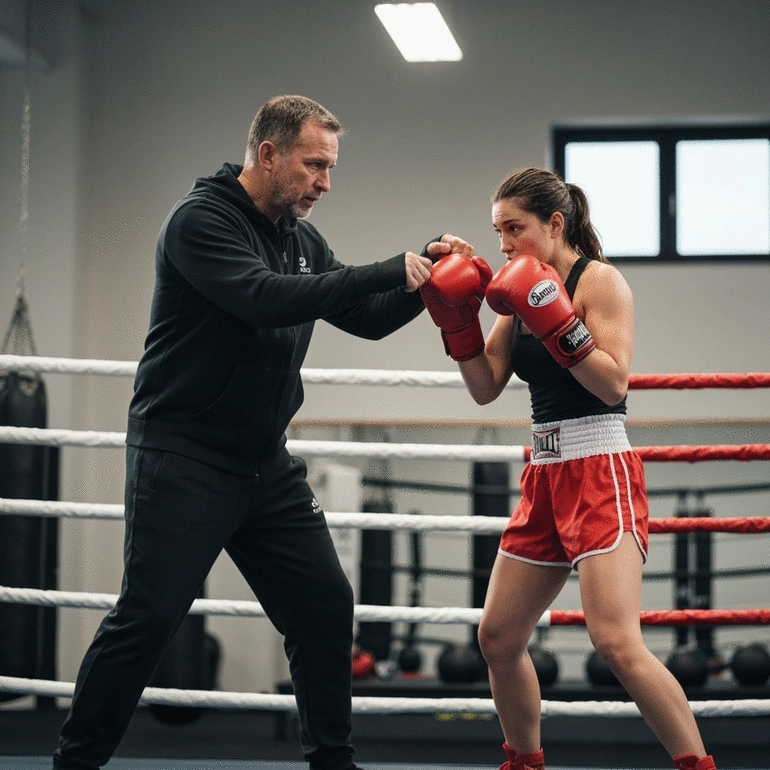
Boxing coach discussing strategy with a fighter in a gym

Key Components of Effective Fight Analysis

Analyzing boxing fights effectively involves a few crucial components. First, one must observe the fighters’ approaches—how they position themselves, their attack patterns, and their defensive tactics. Effective analysis involves looking for patterns in these components that can indicate a fighter's game plan.

  • Ring Generalship: Who controls the center of the ring?
  • Punch Selection: Are they focusing on jabs, hooks, or combinations?
  • Defense: How effectively are they dodging or blocking punches?

These elements are fundamental in understanding not just the outcome of a fight, but also the strategies that shaped it. For fans and coaches, recognizing these components allows for a more knowledgeable discussion about fights and future matchups.

Exploring Boxing Styles and Their Impact on Strategy

Boxing styles play a significant role in shaping a fighter's strategy. There are several recognized styles, each with its own strengths and weaknesses. For example, a pressure fighter will adopt aggressive tactics, while a counterpuncher will focus on defense and waiting for openings. Understanding these styles can significantly enhance strategy analysis.

  • Boxer: Focuses on speed and technique with a strategy centered around scoring points.
  • Brawler: Aims for knockouts with strong, powerful punches.
  • Counterpuncher: Relies on evasion and precision to capitalize on an opponent’s mistakes.

Recognizing how these styles affect fight strategies allows fans and coaches to appreciate the depth of each match. It can also influence how coaches train their fighters to adapt to different opponents and situations in the ring.

Frequently Asked Questions About Boxing Fight Strategies

What are boxing fight strategies?
Boxing fight strategies are the planned methods and tactics fighters use to gain advantages and win matches. They involve offensive, defensive, and adaptive techniques tailored to an opponent's strengths and weaknesses.
Why is understanding boxing strategies important for fans?
For fans, understanding strategies enriches the viewing experience by allowing a deeper appreciation of match dynamics, fighter preparation, and predicting potential outcomes beyond just the scorecards.
What are the key components of effective fight analysis?
Key components include observing ring generalship (who controls the ring), punch selection (types of punches used), and defensive tactics (dodging, blocking, footwork).
How do different boxing styles influence strategy?
Different styles, such as Boxer, Brawler, and Counterpuncher, dictate a fighter's primary approach. A Boxer focuses on scoring, a Brawler on power, and a Counterpuncher on capitalizing on opponent mistakes, all leading to distinct strategies.
What role does performance analysis play after a fight?
Performance analysis helps evaluate the effectiveness of strategies by assessing punch accuracy, defensive maneuvers, and tactical adaptability. This helps fighters and coaches identify areas for improvement and prepare for future bouts.
We Want to Hear From You!

What aspect of boxing fight strategies do you find most intriguing? Share your thoughts below:

Summarizing Key Insights on Boxing Fight Strategy Analysis

Reflecting on boxing fight strategies is essential for both fans and coaches alike. These strategies lay the groundwork for understanding the intricacies of the sport. With every punch thrown and every tactic employed, there’s a wealth of knowledge to be gained. Whether you’re a coach looking to enhance your fighter’s performance or a fan eager to deepen your understanding, recognizing the importance of strategy can elevate your appreciation of the sport.

As I’ve observed throughout my career, the best fighters don’t just rely on raw talent; they incorporate strategic thinking into their training and fights. This comprehensive approach allows them to adapt and thrive in the ring. So, how do we ensure that we grasp these vital concepts? By continually analyzing fight strategies and outcomes, we can become more informed fans and effective coaches!
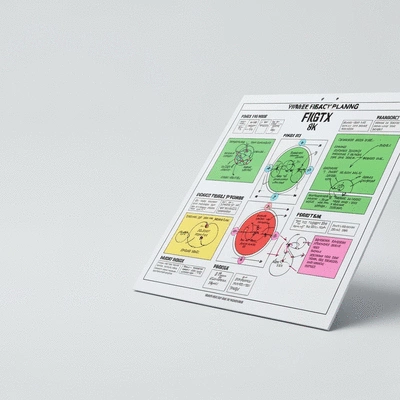
Boxing strategy board with tactical notes and diagrams

Encouraging Continuous Learning and Adaptation in Boxing

One of the most rewarding aspects of boxing is the constant evolution of strategies. Coaches and fighters must always be willing to learn and adapt. This means seeking out new techniques, analyzing previous fights, and staying updated on the latest boxing trends. Here are a few ways to foster continuous learning:

  • Participate in workshops and seminars focused on boxing strategies.
  • Engage with online communities to share insights and experiences.
  • Watch and analyze a variety of fights to understand different styles.

By embracing a mindset of growth, you not only enhance your skills but also contribute to the overall development of the boxing community. Remember, no fighter or coach is ever done learning!

Evaluating Fight Outcomes Through Performance Analysis

Performance analysis is a crucial element in determining the effectiveness of boxing strategies. After a fight, it's important to dissect how each fighter executed their game plan and what adjustments were made throughout the match. This evaluation can be broken down into several key aspects:

  • Punch Accuracy: How many punches landed versus how many were thrown.
  • Defensive Maneuvers: Analyzing how well a fighter defended against their opponent’s attacks.
  • Tactical Adaptability: Observing how quickly fighters adjusted their strategies based on in-fight developments.

As I’ve witnessed in various matches, these factors often determine victory or defeat. Taking the time to analyze these elements not only aids in better preparing for future fights but also enhances our understanding of the sport, making us more engaged fans!

Recap of Key Points

Here is a quick recap of the important points discussed in the article:

  • Understanding boxing fight strategies is essential for both fans and coaches to appreciate the sport fully.
  • Effective fight analysis requires observing key components such as ring generalship, punch selection, and defensive tactics.
  • Recognizing different boxing styles—such as boxer, brawler, and counterpuncher—can significantly influence strategy analysis.
  • Continuous learning and adaptation are vital for coaches and fighters to enhance their skills and strategies.
  • Performance analysis post-fight helps in evaluating the effectiveness of strategies and preparing for future matches.
Subscribe & Share

About Boxing Results & Updates

Your ultimate destination for the latest boxing results, fight schedules, and breaking news. We bring you closer to the ring with insightful analysis and timely updates.